
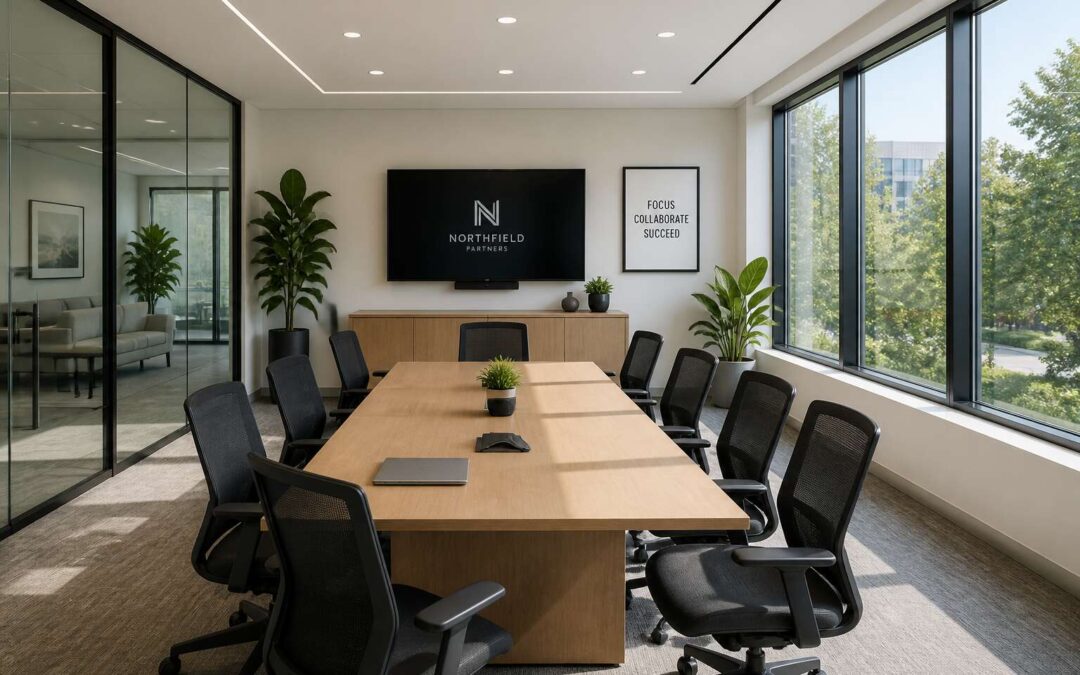
Why Dedicated Meeting Spaces Matter for Productivity
Benefits of Distraction-Free Work Environments
In South Africa’s open-plan offices, the average worker loses up to two hours daily to interruptions. That lost time rarely returns. A dedicated space changes the arithmetic. A focus rooms conference centre provides environments where cognitive momentum survives past the first interruption. The psychology here is simple: when the brain anticipates a sanctuary, it settles faster. Deep work becomes less about willpower and more about architecture.
Distraction-free environments also protect the quality of decision-making. When colleagues drop by without ceremony, judgement fragments. A private room allows thoughts to mature. Team members can enter a meeting with preparation, leave with clarity, and resume their own projects without a lengthy reorientation period.
Some benefits of this approach:
– Sustained attention spans for complex problem-solving
– Reduced stress from constant context-switching
– More honest conversations, since interruptions never truncate a sensitive discussion
Impact of Privacy on Attendee Engagement
The true measure of a meeting lies in what unfolds within it, yet many venues neglect the conditions that shape that unfolding. A dedicated space transforms an interaction from a mere exchange of updates into a meaningful negotiation of ideas. When attendees convene in a room designed solely for this purpose, the conversation adopts a different rhythm, one where each participant feels a heightened sense of responsibility for the collective outcome.
This is particularly crucial when the agenda touches on sensitive subjects like performance reviews or strategic trade-offs. The privacy afforded by a focus rooms conference centre creates a secure perimeter. Within that boundary, individuals feel empowered to voice dissent and challenge assumptions without the fear of an audience in the adjacent cubicle. It fosters a directness that is often filtered out in more exposed settings, leading to decisions that are robust and thoroughly scrutinised.
Moreover, the very act of moving to a reserved room signals a shift in status for the gathering itself. It elevates the topic from a casual chat to a structured priority.
– It encourages participants to arrive mentally prepared, knowing the time is allocated.
– It removes the temptation to check a phone or catch a glimpse of a passerby.
– It allows for the use of physical materials, such as whiteboards and printed reports, without the logistical clutter.
Ultimately, a well-designed space is a silent facilitator. It handles the logistics of comfort and acoustics, allowing the human mind to focus solely on the problem at hand. In an era where time is the scarcest commodity, a venue that maximises the quality of every minute is an invaluable asset. The meeting becomes a piece of work in itself, not just a discussion about it. That is the quiet power of a focus rooms conference centre; it makes the architecture of the room secondary to the architecture of thought.
Supporting Sensitive Conversations and Confidentiality
Under South Africa’s Protection of Personal Information Act, a single confidentiality breach can cost an organisation up to R10 million. That figure explains why a focus rooms conference centre is a safeguard, not an indulgence. When a manager discusses restructuring or an HR team reviews a grievance, the room itself must guarantee that nothing leaks beyond its walls.
Dedicated meeting spaces deliver this guarantee through deliberate design choices:
- Soundproofed partitions stop conversations from carrying into adjacent work areas.
- Lockable storage keeps sensitive documents and devices secure between sessions.
- Sightline controls prevent passers-by from seeing screen content through glass.
These physical measures directly support productivity. Participants in a focus rooms conference centre spend their mental energy on the discussion, not on monitoring who might be listening. The confidentiality is built into the structure, which allows the dialogue to proceed with frankness that open-plan layouts cannot accommodate.
Enabling Flexible Room Configurations for Different Event Types
The cost of a poorly configured event is measured in lost momentum. A rigid hall forces every session into the same shape, no matter the purpose. A focus rooms conference centre offers a different equation. It acknowledges that a strategy review demands a U-shape layout, while a brainstorming session thrives on scattered clusters. The architecture must bend to the intent of the hour.
Flexibility is a function of design. Movable walls, reconfigurable tables, and accessible power points allow a team to transition from a formal presentation to a breakout workshop without the friction of relocation. Time saved on rearranging is time returned to the discussion itself.
I have seen a single room spring from a formal arena to a creative workshop in under ten minutes. That chameleon quality is the practical heart of a flexible venue. Consider the range of formats a dedicated space can accommodate:
1. Town hall meetings with theatre seating.
2. Collaborative sessions with roundtable pods.
3. Training modules requiring a classroom setup.
4. Quiet reflection spaces arranged for solo focus.
Each configuration changes the psychology of the room. The space itself becomes a silent participant in the agenda, supporting the shift in energy and purpose.
Acoustic Design and Its Role in Concentration
The moment a meeting starts, the room begins to shape the work. In shared venues, noise and movement leak through walls, forcing participants to compete with the building itself. A focus rooms conference centre offers a dedicated alternative. Each room is built for the session that occupies it at that hour. Groups settle in minutes because the environment demands nothing extra from them.
Acoustic design is the most underestimated element of productivity. Sound enters a room, bounces off surfaces, and occupies the attention of everyone inside. A focus rooms conference centre treats acoustics as part of the architecture. Soft surfaces absorb excess conversation. Wall layers block sounds from neighbouring rooms.
Key acoustic factors to consider:
– Wall mass that prevents sound transfer
– Ceiling panels that control reverberation
– Flooring that reduces footfall noise
Each factor keeps the brain from processing irrelevant information. When the room is silent, the mind stays with the speaker. When sound is controlled, meetings end sooner because participants actually hear one another.
Key Features to Look for in a Modern Conference Venue
Advanced Audiovisual Equipment and Integration
A single lagging screen can waste hours of preparation. For any organiser, the quality of a venue’s audiovisual setup determines how smoothly your presentation flows. At focus rooms conference centre, ask about the technology before you book.
Advanced equipment only proves its worth when fully integrated. You need a room where the lighting dims automatically, the projector syncs with your laptop, and the video conference link connects without a technician hunting for adapters. Look for these practical features:
- Built-in ceiling microphones for clear audio across the room.
- Wireless screen sharing compatible with both Windows and Mac devices.
- Backup systems that switch automatically if a primary device fails.
Then confirm how the venue manages firmware updates and staff training. A modern venue maintains its AV rigorously rather than merely installing it.
Ergonomic Furnishings and Long-Event Comfort
Ergonomic furnishings determine whether attendees remain focused after the third hour of a workshop. Chairs with adjustable lumbar support and armrests reduce fatigue. Desks that shift between sitting and standing allow individuals to change posture without disrupting the session. At focus rooms conference centre, every seat is tested against prolonged use, not just showroom appeal.
Consider the less obvious details. Fabric that breathes, edges that do not dig into wrists, and lighting that does not glare on screens. These elements work quietly when done well, but their absence becomes the only thing anyone notices. A venue that hosts day long sessions accounts for each of them.
Natural Lighting and Temperature Control
People working under natural daylight report better concentration and less eye strain than those under artificial lighting alone. A well-designed venue uses large windows, light wells, and reflective surfaces to distribute daylight evenly. But sunlight without control becomes a problem. Adjustable blinds and tinted glass protect against glare while preserving the connection to the outside.
The focus rooms conference centre pairs this with a climate system that responds to real conditions. Instead of blasting cold air all day, the building uses sensors to adjust temperature based on the number of people in the room and the heat from the sun. In a climate where mornings start cold and afternoons turn hot, this responsive approach keeps rooms comfortable across a full day’s programme.
Before booking a venue, look for:
- Operable windows or energy-efficient ventilation
- Independent climate zones for each meeting room
- Curtains or blinds that block direct sunlight without darkening the room entirely
- Consistent temperatures between adjacent spaces
The best rooms make none of this obvious. Attendees simply feel alert and comfortable, and the session carries itself.
High-Speed Wi-Fi and Reliable Connectivity
A dropped connection during a vital negotiation costs more than time. It costs momentum! The best venues treat wireless as a utility, not a luxury. A focus rooms conference centre should offer symmetrical fibre with separate channels for guest traffic and management systems. This prevents one streaming attendee from degrading the connection for everyone.
Check for overlapping access points and a mesh that covers corridors. I always ask about bandwidth per user. A good rule is 20 Mbps per active device. Look for support that answers within five minutes. Power backup for network switches matters too, especially during loadshedding.
On-Site Catering and Refreshment Options
By late morning, a single late coffee run can derail an entire session. I have seen negotiation teams lose their rhythm because the catering arrived mid-argument. A focus rooms conference centre should treat refreshments as operational tools, not perks.
The best venues station catering staff discreetly. They know when to clear plates without being asked. Menus prioritise steady energy: protein, oats, fresh fruit, and proper hydration. For extended workshops, a grazing table outperforms a sit-down lunch. It lets people eat while discussions continue.
Ask about dietary accommodation and whether the kitchen can handle allergies without cross-contamination. Also ask about water service. A venue that refills jugs unprompted understands pace.
A list of useful indicators:
- Meals delivered in under ten minutes
- Refreshment points outside each room
- Staff trained to work around confidential sessions
Attention to these details means attendees never have to choose between hunger and momentum. That is the quiet value of a focus rooms conference centre.
Accessibility Features for All Attendees
Nearly one in five South Africans lives with some form of disability. Yet venue accessibility often gets reduced to a single ramp at the main entrance. That oversight becomes a genuine barrier when a wheelchair user cannot reach the breakout room where their team is waiting. A modern focus rooms conference centre should treat physical access as an operational requirement, not a legal afterthought.
Accessibility starts with the journey through the building. Hallways need to accommodate two wheelchairs passing comfortably. Lifts should serve every floor where sessions occur, and doors should open without requiring significant force. The washrooms matter too. A labelled accessible toilet that actually has enough turning space is rare and valuable. These details determine whether an attendee focuses on the agenda or on navigating the venue.
Beyond the obvious, consider the sensory environment. Fluorescent lighting can trigger migraines for some people. Hard surfaces can create echo that makes speech difficult for those with hearing aids. A venue that offers adjustable lighting and acoustic panels demonstrates a deeper understanding of inclusivity. When you search for event venues, ask specifically about these features. In South Africa, where the Promotion of Equality and Prevention of Unfair Discrimination Act sets clear expectations, this is not a courtesy. It is a standard.
A truly inclusive space also considers the following:
– Step-free access to all meeting rooms and breakout spaces
– Hearing induction loops integrated into the main AV system
– Clear signage with high contrast and braille
– Staff trained to assist without assuming what a person needs
These elements signal that the venue plans for everyone. When an attendee feels secure in their environment, they engage more fully. That engagement is the entire point of a focus rooms conference centre. If access is an afterthought, the promise of focused work is broken before the first discussion begins. Choose a venue that removes these obstacles. It changes who can participate, and that changes the quality of the conversation.
The best way to evaluate this is to visit before you book. Walk the route from the parking lot to the smallest room. Open several doors. Sit in a few chairs. A hybrid focus rooms conference centre that performs well in this test will perform well on the day of your event. Accessibility is infrastructure for thought, and it should be treated with the same seriousness as the wifi.
How to Choose the Right Meeting Room for Your Event
Assessing Capacity and Room Layout Options
A room that feels perfect for twenty can suffocate fifty. When I evaluate venues, the first check at a focus rooms conference centre is always the number of seated attendees versus the actual floor space. Capacity includes movement, equipment, and breakout zones, not just chairs.
Layout options depend on your session’s objective. Theatre seating works for lectures, while cabaret tables encourage collaboration. A hollow square supports group discussion, and classroom rows suit note-taking.
- Count confirmed guests plus a buffer for no-shows.
- Sketch the furniture arrangement needed for each session.
- Verify clearance for AV screens, cables, and accessible pathways.
Request the room’s technical specifications and compare them with your programme flow. Only then will you avoid the mismatch that ruins an otherwise well-planned gathering.
Matching the Space to Your Event Goals
I have watched a well-planned workshop unravel because the energy of the space fought the intention of the host. The seating was correct, the agenda was sound, but the configuration worked against the human dynamics. Choosing a meeting room should begin with a clear-eyed look at what you want your attendees to feel and accomplish. A training session needs a layout that promotes note-taking, while a strategic planning session thrives in a setting that places every participant at the same level of visual authority.
Ask yourself what the final outcome of your gathering must be. Are you sharing a decision, or are you building one? When you have that answer, the room becomes simpler to select. I often visit a venue and test the sightlines from the back corners. I sit in the last possible seat and check whether I can see the presenter without straining. This simple action reveals more than any brochure.
- Confirm the time of day to assess the quality of the light and the temperature.
- Walk the path from the entrance to the room to consider the flow of attendees.
- Check the placement of power outlets against the expected positions of laptops.
These checks inform the final choice and still leave room for the unexpected. A focus rooms conference centre offers a variety of spaces, but the correct one is the one that serves the core purpose of your event without demanding compromise. The right fit feels almost invisible, allowing the conversation to carry the day.
Evaluating the Availability of On-Site Support Staff
For every meeting room you book, there is an invisible system working behind the walls. The quality of that system determines whether your session flows or stalls. A venue can advertise elegant furniture and clear acoustics, but the true differentiator emerges when something goes wrong. During a critical presentation, a projector loses signal or a microphone fails. At that moment, the response time of the support staff defines the experience.
Confirm the availability of technical personnel before you finalise any booking at a focus rooms conference centre. Ask how many staff members are on site during your scheduled hours. Determine if they handle only setup or if they remain present for the duration of your event. A single manager juggling multiple bookings cannot give your session the attention it deserves. Reliable technical support ensures your agenda moves without friction.
– Confirm response time for technical issues.
– Ask if a dedicated person monitors the room.
– Verify support coverage for early or extended hours.
A focused team of professionals who understand the venue’s infrastructure alignment can solve problems before they escalate. They anticipate needs and adjust the environment discreetly. When the support disappears after the first coffee break, small disruptions grow. Choose a location where the staff presence matches the complexity of your event. The peace of mind that comes from knowing help is minutes away is invaluable. A focus rooms conference centre with responsive on-site staff transforms a good meeting into a seamless operation.
Checking Technological Compatibility with Your Workflow
Ever walked into a venue with gleaming tech specs, only to discover your laptop refuses to connect? I have. That is why checking technological compatibility with your workflow matters more than raw specifications. A focus rooms conference centre must integrate with the tools your team actually uses, from cloud-based documents to virtual whiteboards. Confirm that the room supports your specific operating system and collaboration platforms.
- Test the wireless presentation system with your own device.
- Verify the availability of legacy ports for older hardware.
- Ask about firewall restrictions on guest networks.
If the technology demands a 15 minute workaround, your agenda suffers. The right setup feels invisible. Choose a space where your workflow slots in without adaptation.
Scheduling a Site Visit or Test Session Before Booking
Arrive at the venue at the same hour your event will run. A focus rooms conference centre changes character between morning and afternoon, and the light and noise levels shift accordingly. Use the site visit to walk the exact route your attendees will take, from the parking bay to the room entrance. Then schedule a brief test session with your actual presentation loaded. This will reveal whether the setup holds up under real conditions.
During the session, check the essentials:
- Trip hazards between the door and your seat.
- Walking paths through the room when it is fully configured.
- Staff response time when you request something.
- Signage from the main reception to the room.
Bring a second person to observe independently. Different eyes notice different failure points. Compare notes afterward and decide whether the focus rooms conference centre meets your requirements. A test session costs little, yet it answers the questions that photographs cannot.
Maximising Collaboration in Small Group Settings
Using Interactive Whiteboards and Visual Aids Effectively
During a quiet afternoon of focus work, the difference between a productive session and a dead one often comes down to the tools at hand. Group collaboration in a focus rooms conference centre relies heavily on shared visual thinking. You can have the best chairs and the most silent HVAC system in the building, but if your team cannot sketch an idea simultaneously, you are looking at a long, tedious meeting. Interactive whiteboards solve the problem of serial communication. Instead of one person typing while others watch, everyone can write, drag, and delete elements in real time.
Visual aids need a clear purpose rather than decorative flair. A dense slide deck actually hinders discussion in a small room. What works better is a simple diagram or a single chart that sparks immediate reaction. The board allows for instant modification of that chart without complex software. You gain immediate consensus or disagreement right there on the screen. This iterative process saves time. No one has to wait for a facilitator to change a graphic.
Using the available screen space for quick group annotations works best for several activities:
– Mapping out a process flow where every participant edits the steps.
– Voting on design variations by circling preferred options.
– Correcting factual data during a live client briefing.
The tactile nature of these tools keeps the energy up. When you stand and physically move elements, you engage more actively. Many sessions in a focus rooms conference centre have succeeded simply because people stopped staring at their individual laptops and started pointing at a shared surface. The immediate feedback loop keeps the discussion grounded in the present moment, preventing the conversation from drifting into abstract territory. Good visual collaboration turns talk into tangible progress.
Designing Breakout Areas with Modular Furniture
People remember meetings where they could actually move around. A focus rooms conference centre works best when breakout areas feel like an extension of the team’s thinking space. Modular furniture changes the game. You can push two tables together for a quick brainstorm, then separate them for quiet work. The castors on each unit let you reconfigure without disrupting the flow. Chairs with built-in writing surfaces work well for small group discussions.
- Four movable whiteboards on wheels
- Two modular sofas that break apart
- Six lightweight nesting stools
Small group settings demand flexibility. When a conversation splits into pairs, you need furniture that responds to that shift instantly. The best focus rooms conference centre designs give people control over their physical environment, so collaboration happens without constantly asking for help.
Structuring Collaborative Sessions for Maximum Output
I have seen brilliant ideas dissolve because nobody structured the first twenty minutes. In a focus rooms conference centre, the walls do not generate alignment. A deliberate framework does. Assign a facilitator, set a timer for each agenda item, and resist the urge to solve every point in the room. This is how collaboration becomes output.
Consider this rhythm for a 45 minute session:
1. Five minutes to restate the problem.
2. Fifteen minutes for each voice to respond without cross talk.
3. Ten minutes to challenge assumptions.
4. Five minutes to assign next steps.
The sequence feels simple. The discipline is what unlocks the depth of the discussion.
Leveraging Digital Tools for Real-Time Teamwork
Real-time teamwork is not about having more screens. It is about synchronizing attention. In small groups, the gap between talking and typing often determines whether an idea survives. Shared platforms allow every participant to edit, annotate, and react simultaneously. That immediacy changes how decisions form. In a focus rooms conference centre, the room itself does not create cohesion. The digital layer does.
Live collaboration tools show who is engaged and who is hesitating. Version control removes the anxiety of permanent changes. Anonymous polling surfaces dissent that verbal discussion suppresses. Each tool serves a distinct purpose:
– Shared documents for simultaneous drafting.
– In-app chat for capturing side comments without interrupting.
– Reaction icons for quick consensus checks.
We tested a live feedback tool this week. Introverted participants contributed more than they had all morning. The facilitator adjusted the agenda in real time.
Learning from Successful Workshop Case Studies
In a Johannesburg workshop, we watched nine engineers solve a supply chain problem in under two hours. The secret was not their expertise. It was the room. Small groups work better when the space supports their focus.
Our focus rooms conference centre creates this alignment. Case studies from local startups reveal that limiting a group to five or seven people boosts accountability. One architecture firm ran a design sprint here. They rotated roles every fifteen minutes. The results surprised them!
Successful workshops share observable patterns:
- Clear roles for each participant
- Short, timed discussion rounds
- A shared visual anchor like a whiteboard
A health nonprofit used the same approach. Their team alternated between debate and reflection. They generated better proposals in half the time. That is what we design for.
Cost Considerations for Booking Private Workspaces
Comparing Hourly, Half-Day, and Full-Day Rates
A surprising number of professionals budget for the room itself, yet overlook the true cost of their own time. Booking a focus rooms conference centre for a two hour meeting often spills into overtime, which carries premium rates. Conversely, reserving a full day when you only need a morning blocks your calendar and your budget unnecessarily.
The hourly rate seems straightforward, but it rarely accounts for setup time. You arrive, connect your laptop, and adjust the configuration, all while the clock ticks. For a client interview or a single presentation, that granularity works well. The half day rate offers a middle ground for tasks like strategic planning sessions or technical workshops, where the first hour goes to settling in.
Full day bookings provide the best value per hour of usage, especially for multi team projects. However, they require a clear agenda that actually fills the time. The real cost difference hinges on your specific workflow.
– Hourly rates suit short, high intensity meetings with a fixed start and end time.
– Half day rates balance cost and duration for mid sized team collaborations.
– Full day rates lower the per hour cost but demand a structured schedule.
Compare the effective cost of a full day against two consecutive hourly slots. The focus rooms conference centre daily rate often undercuts the combined hourly price significantly. Yet, if you leave by lunch, you have paid for empty chairs and unused Wi-Fi. The hidden expense is not the charge on the invoice, it is the value of the hours you lose to travel and rescheduling.
The decision ultimately revolves around how you define a working day. A team drafting a pitch deck will benefit from the full day, as the flow of conversation remains uninterrupted. A supervisor conducting performance reviews might only need the half day, freeing the afternoon for administrative duties. The right answer depends on the clarity of your objectives and the discipline of your schedule. Paying for a focus rooms conference centre is an investment in your output, so match the time block to the actual scope of work, not an arbitrary schedule.
Bundling Room Hire with Conference Centre Services
Booking a focus rooms conference centre can seem cheaper on paper. The base rate covers four walls and a table. It does not cover the technician who ensures your video call connects, the barista who keeps coffee flowing, or the coordinator who resets the room between sessions. Those services carry separate price tags when booked à la carte.
Bundling room hire with conference centre services changes the equation. A package with catering, projection equipment, and on-site support often costs less than assembling components individually. You also avoid the administrative friction of multiple invoices.
- Room preparation and configuration
- Standard AV and Wi-Fi access
- Refreshments and basic stationery
- Access to a support staff member
The arithmetic favours bundling at a focus rooms conference centre when your meeting relies on more than a desk. A private workspace becomes cost-efficient when every element, from lighting to lunch, sits in one transparent quote.
Understanding Seasonal Pricing and Peak-Time Costs
The same focus room that costs R1,400 in March can drop to R950 in late July. Seasonal pricing at a focus rooms conference centre is not random. It follows the South African business calendar, where corporate retreats crowd the autumn and spring months. Those windows carry premium rates. Winter weeks, especially in Durban or Cape Town when tourism thins, bring lower quotes.
Peak-time costs also follow a weekly rhythm:
- Midweek mornings attract the highest rates.
- Friday afternoons often come with reduced tariffs.
- Month-end dates fill quickly, which pushes demand upward.
I have watched planners shave a fifth off their venue invoice by shifting a session from Tuesday morning to Thursday afternoon. Ask the venue coordinator for off-peak pricing before you commit to a date!
Spotting Hidden Fees in Your Rental Agreement
The base quote for a focus rooms conference centre is rarely the amount you actually pay. Venue invoices can carry surprise line items. Those extras include cleaning fees, after-hours surcharges, or a daily charge for the data projector. I once watched a planner get billed extra for the air conditioner to be switched on in summer.
Scrutinise the rental agreement before you sign. Ask the venue coordinator flat questions. What happens if load shedding interrupts your session? Do you pay a generator fee? Is parking included? What about tea trays and water glasses?
- Identify what the hourly rate excludes.
- Confirm cancellation terms and deposit refund rules.
- Request an itemised quote in writing.
A transparent quote prevents friction. The best focus rooms conference centre deals exist only when the fine print matches what was promised.
Negotiating Better Rates for Regular or Long-Term Bookings
Private workspaces carry their own pricing logic. A once-off booking for a focus rooms conference centre often includes a premium, but regular users unlock substantial savings. I have seen companies cut per-session costs by nearly 40% simply by committing to a monthly block.
The negotiation starts with understanding occupancy patterns. Midweek slots and off-peak hours provide leverage. Ask about loyalty programmes or corporate accounts. Many centres offer tiered discounts for recurring bookings.
When requesting a quote, specify your projected frequency. Be transparent about your intended usage. Then ask for a custom package. It helps to have a benchmark from other venues. One strategy is to propose a six-month agreement with a guaranteed number of hours in exchange for a fixed rate.
Before signing, consider these elements:
- Setup and teardown included?
- AV equipment part of the rate?
- Free cancellation within a certain window?
Each clarity point strengthens your position.
The Future of Quiet, Focused Spaces in Corporate Events
Growing Demand for Hybrid-Friendly Meeting Rooms
The future of quiet, focused spaces in corporate events depends on hybrid-friendly meeting rooms. Attendees now expect the same acoustic comfort online and in person, so venues are rethinking floor plans. The focus rooms conference centre answers this need by providing spaces for small teams working through complex documents or virtual collaboration.
Adaptability matters just as much. A room must serve a single remote attendee, a duo, or a group of eight without losing its focused atmosphere. In South Africa, load shedding makes reliable power essential, but thoughtful booking tools are equally important.
Event planners are already asking for:
– movable acoustic partitions instead of permanent walls
– furniture that can be rearranged in seconds without disrupting a session
– booking systems that reserve quiet hours across multiple venues
The old boardroom model is fading. What remains is a room built around attention, not hierarchy.
Integrating Wellness Features into Room Design
Corporate focus is changing. Workers no longer want a sterile room with a screen and a chair. They want a space that supports their nervous system. This is where the future of quiet, focused spaces lies. The best focus rooms conference centre designs now integrate wellness features directly into the layout, moving beyond simple acoustic panels.
Natural materials absorb sound and reduce stress. Think wood textures and soft fabrics. Daylight is non-negotiable. It regulates the body’s internal clock and keeps energy stable. Even a small view of outside greenery can reset a tired mind. In South Africa, this means designing for the sun and the elements, while ensuring backup power keeps the climate controlled when the grid fails.
Planners are demanding health-centric additions:
– Sit-stand desks to combat static posture
– Air purification systems for clearer thinking
– Circadian lighting that shifts with the day
– Quiet corners with padded seating for micro-breaks
Wellness is not a luxury add-on. It is the operational backbone of a productive session. A room that manages light, air, and movement allows one to focus on complex documents without physical distraction. The focus rooms conference centre of tomorrow is not just a meeting point. It is a health tool that respects the human body as much as the agenda.
Advances in Smart Room Automation and Controls
The quietest room in a building is often the loudest in its demands. A focus room must respond before a thought is fully formed. Smart automation is the invisible hand that makes this possible. When you walk into a focus rooms conference centre, the environment should already know your preference for light and temperature, adjusting without a single tap on a screen.
This is about giving people control over their own atmosphere, not taking it away. In a country where load-shedding remains a reality, automating the climate and lighting also means protecting the room’s integrity against sudden power loss. The technology handles the logistics, freeing the occupant to handle the work.
– Automatic blind controls that track the sun’s position
– Occupancy sensors that trigger the room’s preset settings
– Acoustic masking that adjusts to ambient noise levels
– Single-pane interfaces for managing every function
The future of these spaces lies in this quiet responsiveness. A room that modifies itself in real time is one less thing for an attendee to worry about. This allows a deeper level of concentration, making the smart controls as important as the silence itself.
Sustainable Design and Energy-Efficient Solutions
Corporate events generate measurable environmental footprints. A single conference day can produce substantial energy consumption and waste. Focus rooms offer a counterpoint. Their compact scale demands deliberate choices, and those choices increasingly favour sustainability. A focus rooms conference centre that invests in energy-efficient systems reduces operational costs and demonstrates a tangible commitment to responsible practices. This matters to attendees who track corporate ethics.
The design of these spaces prioritises passive solutions. High thermal mass walls stabilise internal temperatures, reducing HVAC strain. Strategic window placement maximises daylight harvesting, while automated glare control prevents overheating. For active systems, consider options like:
- Variable refrigerant flow HVAC units with heat recovery
- LED lighting arrays tuned to circadian rhythms
- Low-E double glazing that insulates without sacrificing light
These elements work in concert. The result is a room that requires less power to remain comfortable, even during high-occupancy sessions or in South Africa’s peak summer months. Sustainable design is a method for limiting operational costs and extending the lifespan of sensitive AV equipment.
Energy efficiency also addresses a critical local variable. Load-shedding events force buildings to rely on backup power. A focus rooms conference centre that consumes less energy per square metre extends its inverter battery life, maintaining crucial equipment function for longer periods. This is not a peripheral concern; it is a core component of event resilience. The quietest spaces are increasingly defined by their energy intelligence, a feature that supports both the planet and the programme.
How Meeting Preferences Are Shaping Future Conference Venues
Meeting preferences are shifting away from passive attendance. Delegates now demand spaces that honour their cognitive load. The future points toward shorter sessions with higher intensity, which favours a focus rooms conference centre designed for deep work over vast halls built for spectacle.
This evolution means venue architecture must adapt. Quiet zones will become as essential as coffee breaks. In South Africa, where load-shedding remains a reality, the most forward-thinking spaces are those that pair acoustic isolation with energy independence. A focus rooms conference centre that anticipates this need offers more than a table and chair; it provides a sanctuary for thought.
What will distinguish leading venues in the coming years?
- Rooms with integrated sound masking and advanced acoustic dampening
- Modular layouts that transform from solo workspace to team huddle in minutes
- Automated environmental controls that adjust to occupancy and time of day
These features are not luxuries. They are responses to a workforce that increasingly measures productivity by output, not hours. The quietest room in a building is becoming the most valuable asset in the portfolio.